VIA Sports Physiotherapy.
Chartered Sports Physiotherapist · Drumcondra.
3A St George's Avenue, D03 RH36Founded by
Eimear Keane.
Founded by Eimear Keane, experienced sports and exercise physiotherapist — VIA Physiotherapy is a clinic you’ll find within the CFD Tribe Drumcondra location. We offer experienced clinical reasoning and tailored evidence-based treatment, whether this is a new injury or a persistent pain you’re looking to put behind you.
Our community welcomes everyone — from the elite athlete to those who want to get moving. We can help achieve your goals via physiotherapy
13+
Years sports physiotherapy
Singapore, Melbourne, Sydney, Dublin. Public hospitals, professional sport, private practice.
MSc
Sports & Exercise Physiotherapy
La Trobe University, Melbourne. Titled with the Australian Physiotherapy Association. Listed High-Performance Provider with Sport Ireland.
ISCP
Chartered physiotherapist
ISCP member on the Chartered Physiotherapy in Sports & Exercise Medicine committee. Clinical Specialist in Musculoskeletal triage at Tallaght University Hospital.
Our principles
Rehabilitation & injury prevention via process.
Performance via systems.
Return to play via physiotherapy.
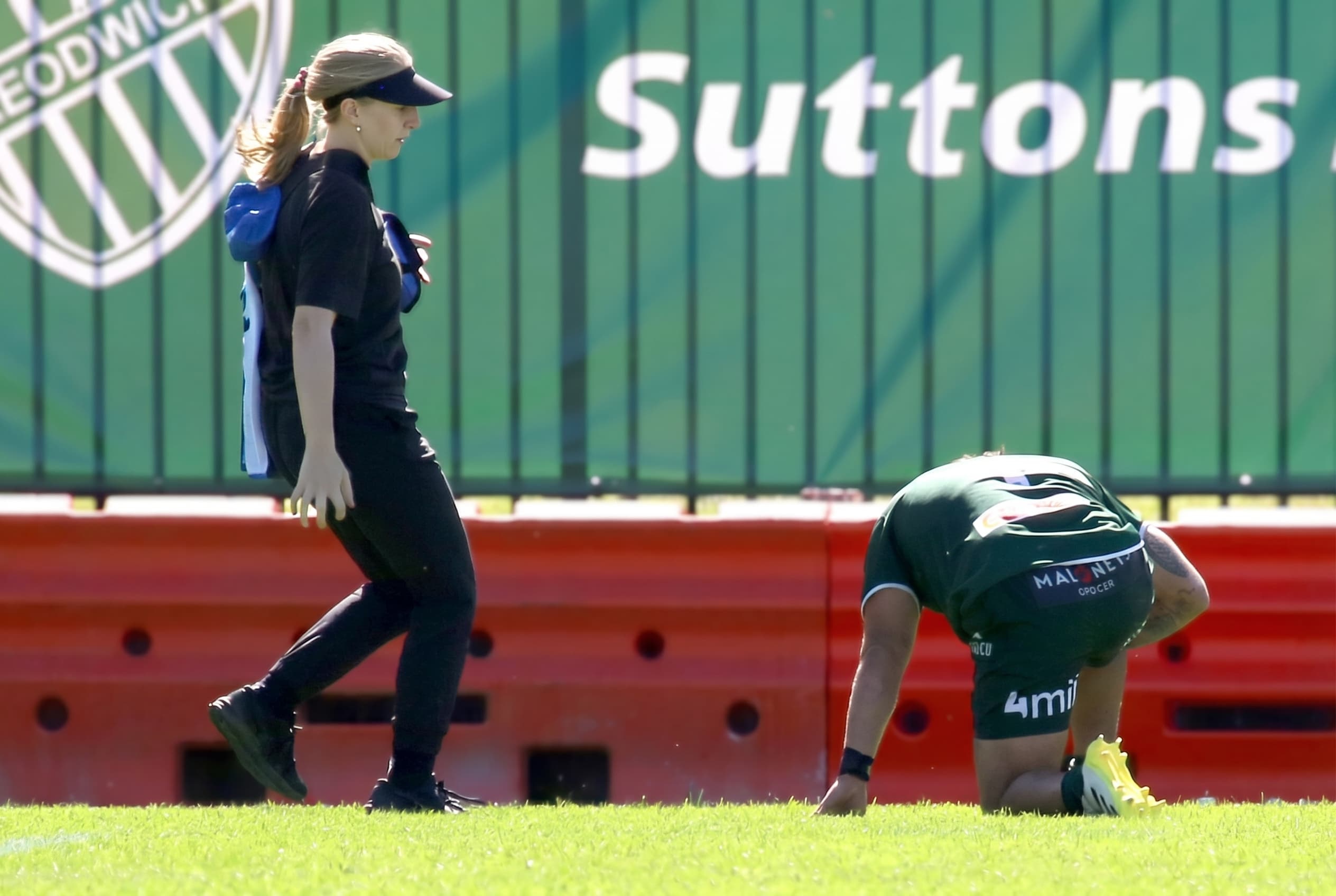
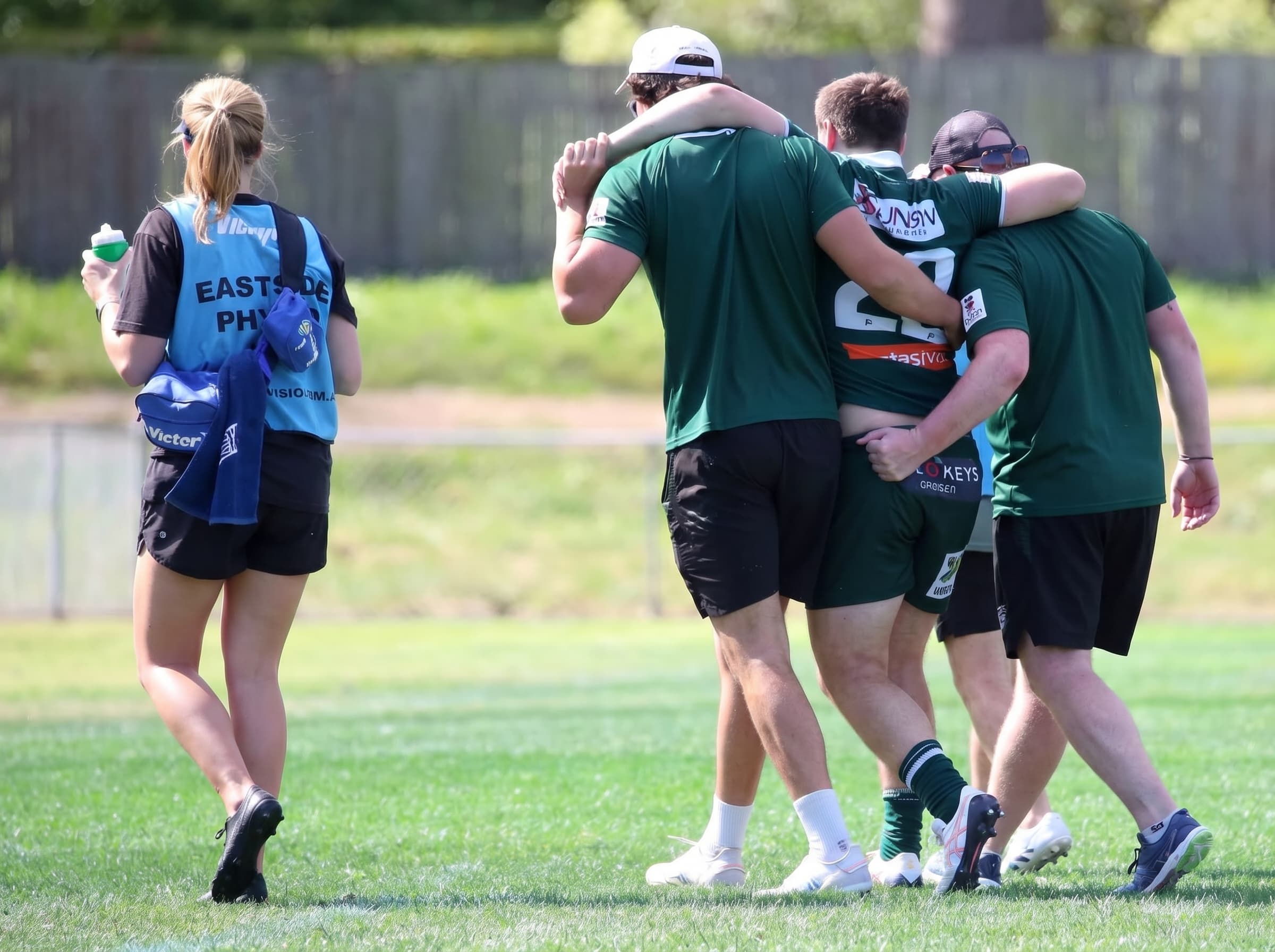
Sports injuries.
For runners, gym members, weekend athletes, and the in-between. The bits that fail mid-session, and the ones that build up over a season.
- Soft tissue injuries
- Tendinopathy
- Bone stress injuries
- Shoulder, ankle, knee, hip & groin issues
Persistent pain.
The grumbles that have been there a few weeks, or a few years. Specialist interest in hip and groin pain, particularly hip dysplasia.
- Chronic back & neck
- Hip & groin pain
- Tendinopathy
- Plantar fasciitis
Strength testing & return to sport.
VALD strength testing and Output Sports performance data for objective measurement. Return-to-run, return-to-sport, post-surgical rehab — structured, tracked, and informed by the data.
- Results via measurement
- Speed via efficiency
- Strength via capacity
- Movement via mobility
Registered & equipped with





What to expect
Common questions.
What does the first session entail?
An assessment first — a discussion plus a physical exam to identify what's actually going on. From there we agree a treatment plan together, anchored to your goals. You'll leave with a clear diagnosis, a plan, and any exercises we covered.
What should I wear?
Comfortable clothing that gives me access to the area I'm assessing — gym gear is perfect.
What should I bring?
Anything that helps me understand the injury — referral letters, radiology reports, scan images, the trainers or boots you train in. If you've got it, bring it.
Do I need a referral?
No. As a chartered, CORU-registered physiotherapist I see private patients directly — no GP referral needed.
Can I claim from my private health insurance?
Yes. My services are claimable with the major Irish private health insurance providers — VHI, Laya, Irish Life, Aviva. I'll provide an itemised receipt and clients claim the rebate themselves.
Eimear has worked with